How to tell if a LEGO® set is factory sealed

A factory-sealed LEGO® set has untouched seals or unbroken tabs on every closure, flaps that sit flush, no extra tape or glue, and a weight close to what catalog sites list for that set. No single check proves a box has never been opened, so experienced buyers combine several: the seals, the flaps, the weight, photos of the actual box and the seller’s return policy. Here is what to look for, and why LEGO’s packaging changes over the last few years matter when you inspect a box.
The short answer
- Seals and tabs: every seal flat, clean and centered with no cuts or extra tape, push-in tabs unbroken, and flaps that sit flush with no fresh glue.
- Weight: compare it with the BrickLink catalog figure. A small difference means nothing; a large shortfall is a reason to ask questions before you pay.
- Paper bags: a mix of paper and plastic bags is normal during LEGO’s changeover and is not a warning sign by itself.
- No single check is proof: combine the seals, the flaps, the weight, photos of the actual box and the seller’s return policy.
How LEGO® boxes are closed today
There is no single LEGO box design. Depending on the size of the set and when it was packed, a box may be closed with clear adhesive seals on the end flaps, opened by pushing in perforated areas marked on the box, or built as a lid-and-base box held closed by seals at the ends. Toypro’s guide to opening LEGO boxes sums up the two everyday methods: cut the sticker, or push the box in at the marked places.
Larger sets have been moving to the lid-style box. In May 2024, Brickset looked at the removable-lid box used for Tuxedo Cat (21349) and Notre-Dame (21061) and found that the lid comes off by slitting the tape seals at the ends. LEGO told Brickset the change was tied to its switch to paper bags: the bags are packed in a set pattern inside the box, and the new construction also lets the bigger boxes be closed again.
Watch out: That last point matters to buyers. A box designed to be closed again can look tidy after it has been opened, so on these boxes the end seals are what you should inspect most carefully.
What changed inside the box: paper bags
In September 2020 the LEGO Group announced it would begin phasing out the single-use plastic bags that hold loose bricks inside its boxes, with recyclable paper bags certified by the Forest Stewardship Council to be trialled from 2021. In September 2021, Brick Fanatics reported that LEGO considered the trial a success and planned to start phasing paper bags in from 2022.
The rollout has been gradual. In November 2023 LEGO said its factories in Europe and Asia had started the switch, with the Americas following in 2024. In November 2025 it reported that 56% of its packing lines had moved to paper-based bags. Its sustainability page now says the rollout is largely complete in its factories in China, Vietnam, Hungary and Czechia, with the global transition expected to finish in 2027. LEGO describes the bags as at least 95 percent paper with a thin plastic coating that allows them to be sealed.
What this means when you inspect a set:
- Paper bags and plastic bags are both normal. When the first paper bags reached retail sets in 2022, Jay’s Brick Blog noted that fans would see a mix of paper and plastic bags inside boxes during the changeover, so finding both in one box is not a warning sign by itself.
- Paper bags tear open along a perforated line and cannot be closed again once torn, so an opened inner bag is easy to spot.
- You cannot see through a paper bag, so you cannot count pieces through it. On a sealed set, the outer box is still where you judge whether it has been opened.
Look closely at every seal
On a box closed with adhesive seals, check each one, not only the side that faces the camera in a listing photo. Signs that a seal has been disturbed include:
- A seal that is lifted, wrinkled, stretched or bubbled.
- A knife line across a seal or along the edge of a flap.
- One seal that sits off center, or looks a different size, shape or clarity from the others on the same box.
- Extra tape of any kind on top of or next to the seals.
- Torn card fibers or a pale patch under a seal, which suggests it was peeled off and pressed back down.
Note: Not every flaw means tampering. Adhesive ages, and boxes that have been stored somewhere hot or knocked around in transit can show scuffed or loose seals. Treat a doubtful seal as a reason to ask questions and request sharper photos, not as instant proof.
Check the flaps, tabs and edges
Boxes that open with push-in tabs instead of seals have their own tells. Push-in tabs should be flat and unbroken. A tab that has been pushed in and then glued or taped back means the box has been opened. Along the flap seams, look for glue that has squeezed out, a second layer of glue, or a flap that sits higher than the one next to it. Check the bottom of the box as well as the top.
Resealing is a real problem, not a theory. In June 2026, Yahoo News reported that police in Arlington County, Virginia, had arrested three people accused of removing valuable parts from LEGO sets, resealing the boxes and returning them to stores for refunds. A Target loss prevention team inspected one returned box and found it had been opened, stripped of high-value components and resealed to appear new.
Keep cosmetic wear separate from tampering. Crushed corners, creases and shelf wear do not mean a set was opened, but collectors grade them differently. A sealed box with no signs of wear is usually described as MISB (mint in sealed box), while a sealed box with some imperfections is NISB (new in sealed box).
Compare the weight with catalog data
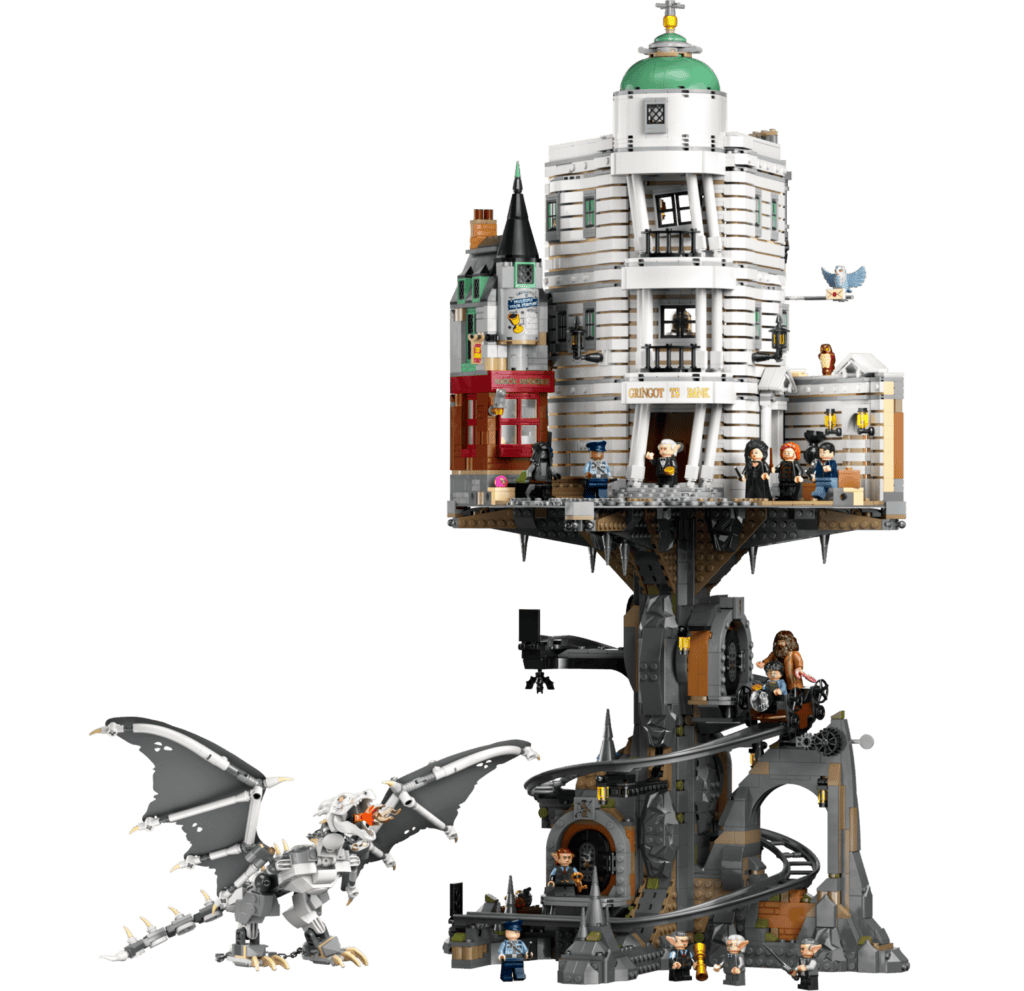
A box that has been opened and partly emptied usually weighs less than it should. The BrickLink catalog lists a weight and item dimensions for many sets. For example, it lists Mona Lisa (31213) at 2,240 g and Gringotts Wizarding Bank – Collectors’ Edition (76417) at 6,720 g. Brickset also lists the packaging size for many sets, which helps you confirm you are looking at the right box.
Tip: Use weight as a sanity check, not a verdict. Catalog figures are approximate, home and postal scales vary, and a small difference means nothing. A large shortfall on a box sold as sealed is a good reason to ask the seller more questions before you pay.
Shrink wrap, security tags and store stickers
Watch out: Shrink wrap is not proof either way. LEGO’s own packaging pages describe boxes made from paper and cardboard and say nothing about factory shrink wrap. If a set arrives wrapped in plastic film, ask the seller who added it, and still inspect the seals underneath.
Store security can also change a box. In July 2023, Brick Fanatics reported that at least one Tesco store in the UK had opened LEGO boxes and removed the contents, leaving a sticker telling shoppers to collect the contents at the checkout. A set bought that way may be new and complete, but it is no longer factory sealed. Leftover security tag adhesive and price stickers are cosmetic, but worth knowing about before you buy.
Red flags when buying online
- Only stock photos, or a seller who will not send photos of the actual box, including every seal and both ends.
- A price far below recent sales. The LEGO Group warns that very low prices are a common lure used by fake webstores.
- A listing with no set number, or one that describes the product as “compatible” with LEGO bricks, which points to a different brand.
- A request to pay by bank transfer or another method outside the marketplace. eBay’s Money Back Guarantee does not cover items paid for outside eBay, and LEGO notes that a credit or debit card often gives you more protection.
- No written condition and no return policy, or vague wording such as “new” with no mention of whether the box is sealed.
A quick checklist before you pay
- Confirm the set number and name on the box match the listing.
- Ask for photos of all six sides, both ends and every seal or tab.
- Check that every seal is flat, clean, centered and free of cuts or extra tape.
- Check that push-in tabs are unbroken and the flap seams show no fresh glue.
- Compare the weight with the BrickLink catalog figure if the seller can weigh the box.
- Ask who added any shrink wrap, and look at the seals underneath it.
- Get the condition in writing: sealed or opened, plus any box wear.
- Pay by a protected method, and make sure there is a return policy and insured, tracked shipping.
How we handle sealed sets at Brick District
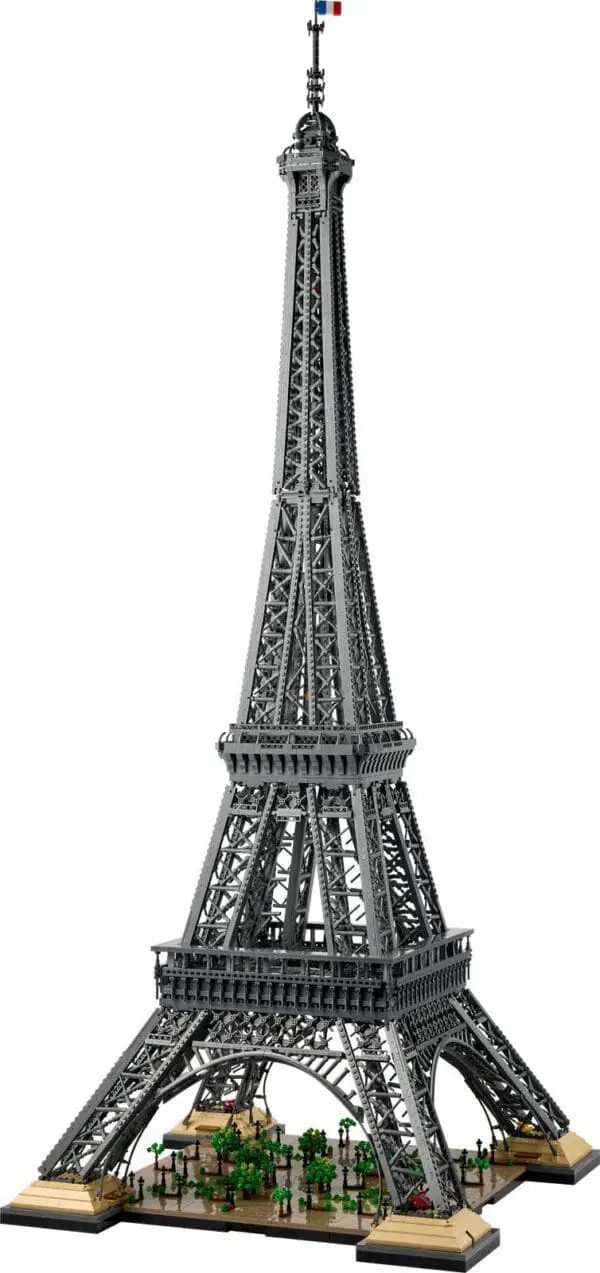
Every set at Brick District is new and factory sealed unless its listing says otherwise. If you want more detail about a particular box, for example on a retired set such as Eiffel Tower (10307), use the “Ask about this set” button on the listing. Checkout offers shipping insurance on rare and retired sets, and unopened sets can be returned within 30 days.
Frequently asked questions
Does a sealed box guarantee every piece is inside?
No. Even BrickLink’s definition of a sealed set says the contents are “presumably” sealed and complete as shipped by the manufacturer. If a new set turns out to be missing a piece, LEGO’s Replacement Parts service is the place to request it, using the set number and the element ID from the back of the instructions.
My new set has paper bags and plastic bags. Is that normal?
Yes. LEGO has been switching its packing lines from plastic to paper bags in stages since 2022, and LEGO fan sites said at the start that buyers would see a mix of both in boxes during the changeover.
Is an opened set still “new”?
It can be. BrickLink lists a set as New with the sub-condition Complete when the parts are unused but the bags may have been opened for inventory. It is no longer sealed, though, and collectors value it differently from a sealed copy.
Can I ask a seller for photos before buying?
Yes, and for a valuable retired set you should. A seller who has the box in hand can photograph the seals, ends and corners in a few minutes.
Sets in this guide
-
 Retired
-
 RetiredRare
-
 Retired